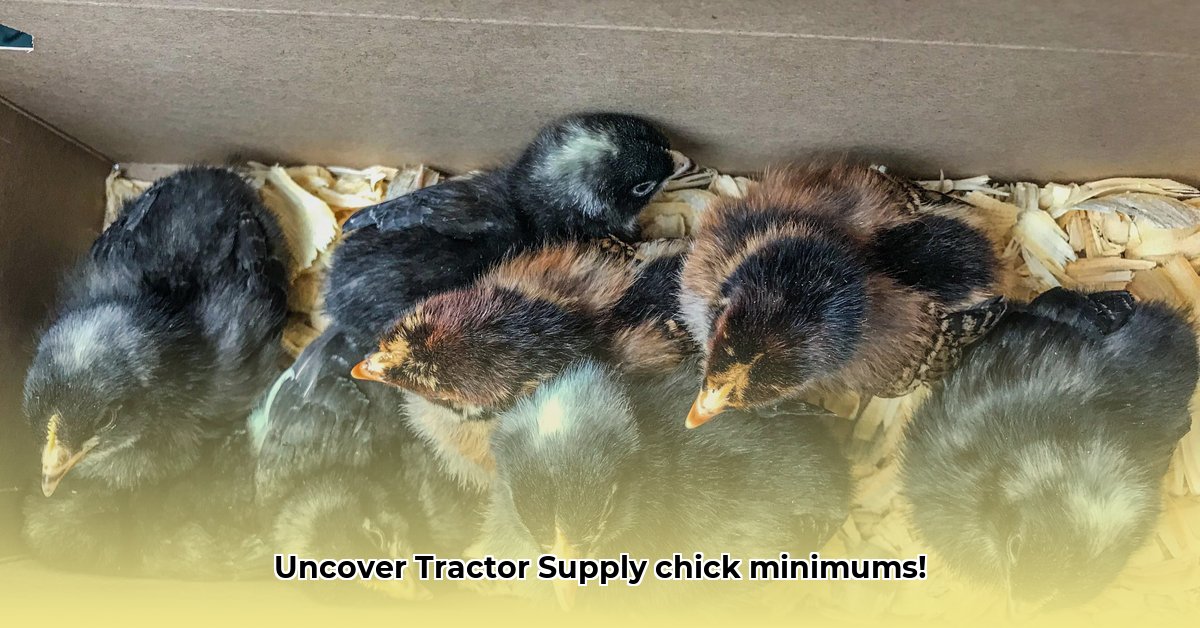
Dreaming of fresh, farm-fresh eggs? Getting started with backyard chickens can be a rewarding experience, and Tractor Supply Company (TSC) is a popular place to purchase chicks. However, navigating the process involves understanding something crucial: chick minimums vary significantly by location. This guide provides a clear, step-by-step process to help you find the minimum number of chicks you can buy at your local TSC and successfully launch your flock.
Understanding TSC's Variable Chick Minimums
Contrary to what you might expect, Tractor Supply doesn't have a single, nationwide minimum number of chicks you must buy. Each store independently sets its own policy. This means you might find one store selling just two chicks, while another requires four or more. Why the inconsistency? Several factors influence each store's decision including local demand, breed availability, and even the individual store manager's discretion. This regional variability makes it crucial to do your due diligence before your visit.
How to Determine Your Local Chick Minimum: A Step-by-Step Guide
Instead of relying on potentially outdated online forums or hearsay, the most reliable method is direct communication. Here's a foolproof plan:
Locate Your Nearest TSC: Use the official Tractor Supply website or app to find the store closest to you.
Make the Crucial Call: Before heading to the store, call your local TSC. Ask directly about their current minimum chick purchase requirement. Be sure to ask about specific breeds you might be interested in, as availability can impact the minimum order.
Inquire About Breed Availability: Find out what breeds of chicks they currently have in stock and their respective quantities. Popular breeds may have higher purchase minimums.
Confirm Pickup Details: Once you've confirmed the minimum and the breed you want, arrange the details of your chick pick-up. Note that pick-up days and times are often limited, so planning ahead is essential.
Plan for Potential Losses: Even with meticulous care, some chick mortality is possible. Experienced chicken keepers often recommend buying a few extra chicks as insurance against losses. This approach dramatically increases your chances of reaching your desired flock size.
The Three-Chick Rule: A Safety Net for Your Flock
Many seasoned poultry keepers advocate for purchasing at least three chicks. This strategy acts as a buffer against potential losses. Even with diligent care, unforeseen illnesses or accidents can happen. Starting with three chicks significantly increases your chances of raising at least a couple to adulthood.
Preparing for Your New Arrivals: Building Your Chick Hotel
Securing chicks is only the first step. Before they arrive, you'll need to prepare a safe and comfortable environment—often called a "brooder"—for your chicks' initial weeks. Researching proper brooding methods, including temperature and sanitation, is critical for their survival and well-being. Investing this time upfront will boost the health and success of your flock.
Addressing Potential Challenges: Risk Mitigation Strategies
While raising chickens is highly rewarding, it's not always without challenges. The following table outlines common issues, their likelihood, impact, and mitigation strategies:
| Potential Problem | Likelihood | Impact | Mitigation |
|---|---|---|---|
| Chick Mortality | Moderately High | Very High | Start with at least three chicks; thoroughly research optimal brooding techniques; monitor closely for signs of illness or distress. |
| Inconsistent Store Policies | High | Medium | Always call the store ahead to confirm the current minimum; have a backup plan in case of unexpected changes. |
| Breed Unavailability | Moderate | Moderate | Call ahead to check availability; consider alternative breeds. |
| Inadequate Brooding Heat | Moderately High | Very High | Thoroughly research and prepare optimal brooding temperatures; use reliable heat sources. |
| Predation | Moderate | Very High | Ensure a secure and predator-proof coop; use deterrents as needed. |
| Disease Outbreak | Low | Very High | Maintain impeccable hygiene; separate new chicks from existing birds (if any); consult a veterinarian immediately if illness is suspected. |
Your Step-by-Step Guide for Success
Follow this plan for a smoother journey towards your own thriving flock:
- Initial Contact: Call your local Tractor Supply to confirm their current minimum chick purchase and available breeds.
- Become a Chicken Expert: Research chick care thoroughly. Utilize online resources, books, and videos to gather knowledge about raising healthy chicks.
- Prepare the Brooder: Before chick arrival, ensure your brooder—a warm, safe, and clean environment—is fully set up and ready.
- Purchase Strategically: Acquire at least three chicks to maximize your chances of success and mitigate potential losses.
- Be a Dedicated Parent: Maintain constant vigilance. Address any issues immediately, consulting a veterinarian swiftly if needed.
Raising backyard chickens is a rewarding endeavor, though it requires careful planning and consistent effort. By following this guide and taking proactive steps, you'll be well on your way to enjoying fresh eggs and the satisfaction of nurturing your own flock!
Why Chicks Come in Crews: Understanding Purchase Minimums
Many first-time backyard chicken keepers are often surprised to discover that they can’t simply buy a single day-old chick. Instead, hatcheries and farm supply stores almost universally impose a live chick purchase minimum, often ranging from three to six birds, sometimes even more depending on the breed or time of year. This isn’t a ploy to get you to spend more money; it’s a vital welfare measure put in place for the extremely delicate survival of these tiny, fluffy creatures, particularly during the often stressful journey from hatchery to home. It ensures they have the best possible chance to thrive from their earliest moments.
The primary reason behind these minimums boils down to warmth and social well-being. Day-old chicks are unable to regulate their own body temperature effectively, and huddling together with their siblings provides crucial body heat, especially during shipping without a heat lamp. Beyond physical warmth, chicks are highly social animals. They thrive on companionship, establishing a pecking order early on, and being part of a group reduces stress and loneliness. A solitary chick is far more susceptible to stress, illness, and even death, making these minimums a compassionate standard for ensuring the highest possible survival rate and a healthier start for your new flock members.